
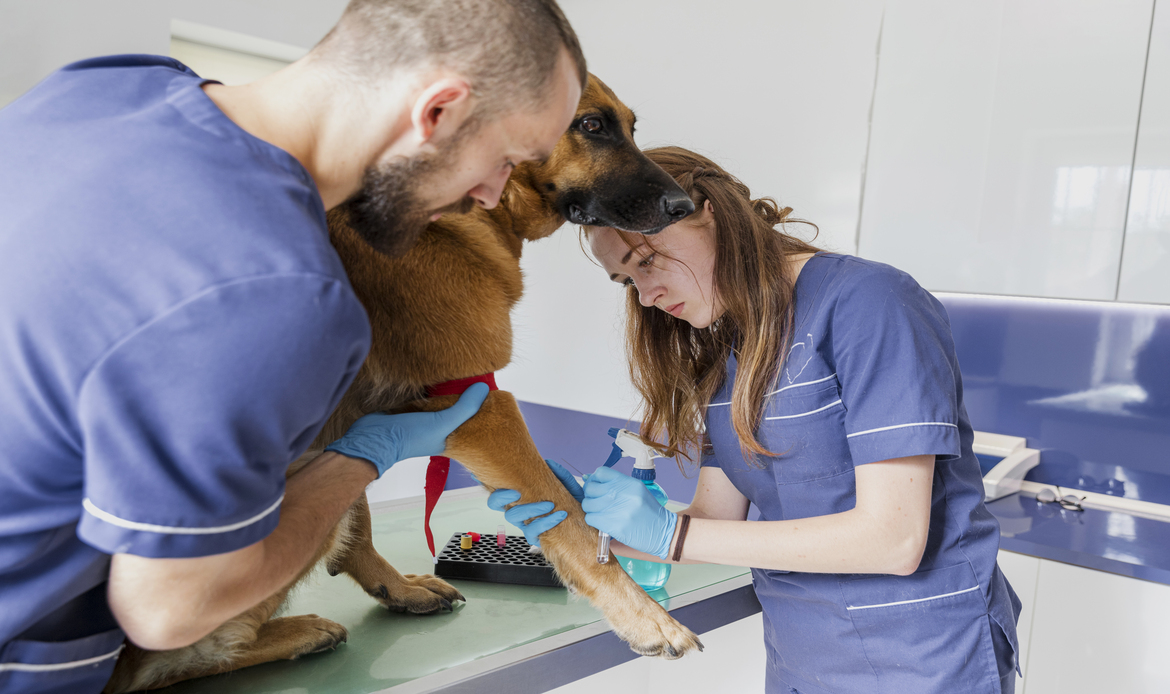
What else might be meant by all that happiness, companionship, and love but stress and concern for pet owners? Much is involved in their being safe and sound. However, death and destruction can arrive unannounced.
Basic first aid will save the life if one is aware of the procedures, so will taking the pet to the professional. These procedures of first aid will provide confidence to every owner of pets so that they act in an emergency.
Curb That Panic: Your Safety Is the Priority
The very first thing you have to remember in every kind of emergency situation pertaining to pets is to always keep calm. Animals are weak and scared; they can act erratically, biting, which is only going to add to the pain in the hearts of the kindest people in the world.
Speak softly and slowly; take your time with any necessary movements. Restraining your pet (gently) should be done only when it is safe to do so, using a towel or cloth.
Before giving aid, it is essential to know that there are no problems and issues in the surrounding environment, such as sharp objects, traffic, or ingestible toxic substances.
First Aid for Minor Bleeding and Injuries
It is common for dogs to scrape a paw or get the skin nicked by a rapid scrape or very small cut. For minor wounds, you want to:
- Clean the wound gently with clear water or saline solution.
- If it does exist, flush it to remove dirt or debris.
- Control bleeding by applying light pressure with sterile cloth or gauze.
- If one has antiseptic safe for pets, do apply it.
Never use any cream or medication that we use for human purpose without an advice from veterinary doctor. Some human medications can be deadly for your pet! Serious wounds, with massive bleeding, or bite wounds demand urgent vet attention.
Shock: Detection and Treatment
Loss of shock, being life-threatening, can result from trauma, hemorrhage, or severe tissue damage. The symptoms are pale gums, rapid/shallow breath, weakness, and fainting. If you suspect any degree of shock:
- Wrap your pet in a warm blanket.
- Keep him lying down and calm.
- Shake a leg for the vet at the earliest. Every minute counts.
Burns-Treating Your Dog and Yourself
Your pet could be burned by hot pavements, chemicals, or electricity. If there are burns:
- Hold the area under cold (not ice-cold) running water for a few minutes.
- Do not apply any ointments, butter, cream, etc., unless directed by your vet.
- Prevent your pet from licking the wound.
In the instance of chemical burns, wash the area and ensure that you don’t come into further contact with the chemical.
Obstructions and Breathing Anomalies
Choking is frightening and requires immediate action. Signs include coughing, gagging, pawing at mouth, or breathing difficulty.
If the animal is conscious: Look carefully into the mouth for any visible object. If you see it and it can be easily grasped, carefully remove it. Do not stick your fingers down the throat. This might push the object back and could impede airflow. If the animal stops breathing or becomes unconscious, rush it to the nearest emergency veterinary clinic. Every owner should be trained in pet CPR by a qualified instructor. This is one of the greatest assets any owner can have.
Awareness of Toxins
Poisoning is one of the most reputed emergencies run up in its trail by the pet. Toxicants include certain plants, cleaning agents around the house, preparations available for human use, and foods for humans such as chocolate, grapes, and onions. Signs can include vomiting, excessive drooling, tremors, seizures, or sudden weakness.
If you suspect that your pet has ingested a toxic substance,
- Do not give your pet further access to the toxin immediately.
- Do not induce vomiting unless otherwise directed by a veterinarian.
- Contact your veterinarian or emergency pet poison hotline as soon as possible.
- Emergency contacts should be kept handy.
A Pet First Aid Kit
Expenses for the first aid box. A must-have and well-supplied box in the house of every pet parent must include the following:
- Gauze pads and bandages
- Pet-safe antiseptic wipes
- Tweezers
- A digital thermometer
- Disposable gloves
- A blanket or towel
Having ready availability of these supplies will save some significant seconds during an emergency.
When Is the Time to Call Your Vet?
First aid is a temporary measure. Deep wounds, difficulty breathing, seizures, fractures, or sudden behavioral changes are all conditions that require immediate veterinary attention. Go with your instincts: if something feels wrong and there is professional help, act on it. It is better to be safe than sorry.
Conclusion
Being ready for pet emergencies ought to be taken seriously by every pet owner. Knowing a few simple first aid, being calm under pressure, and knowing when to seek professional care can do wonders for your pet’s health and even save their life.
We, at My Honest Paw, provide various useful resources to make informed decisions about the best care that pet owners’ can make for their furry friends.
Schedule a vaccination appointment today and give your dog the protection they deserve.