
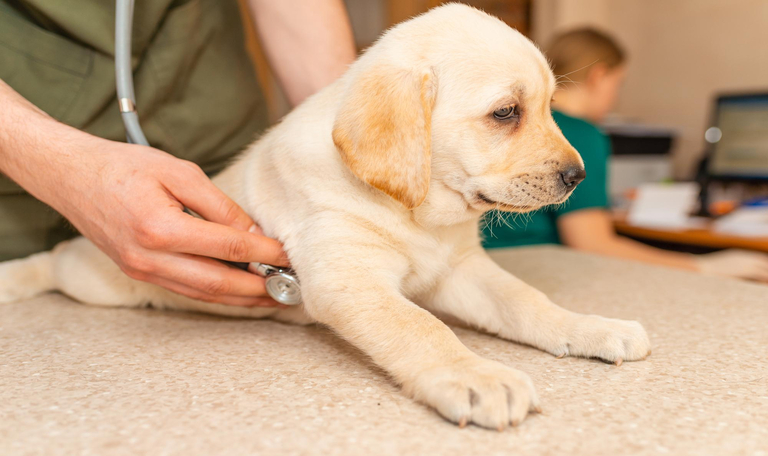
Pets are inquisitive, excitable, and active, so accidents and little emergencies can basically pop up any time. Pet first aid is the know-how for handling common injuries or sudden problems in a timely, calm way, before veterinary help is even available, whether it is something minor or a choking incident, heatstroke or accidental poisoning.
All pet owners should learn a bit of first aid stuff, and keep a few emergency supplies at home. Good prep can reduce complications, help you avoid panic, and in some cases actually save your pet’s life.
Responsible pet care at My Honest Paw means staying ready, always, for those unexpected moments.
Why Pet First Aid Is Important
Pets can’t describe symptoms or pain. In times of emergency, quick reaction can make a big difference in helping to keep your pet safe from additional injury.
Pet First Aid is not intended to be a substitute for veterinary care. Rather, it is about putting your pet in a stable condition and getting temporary treatment until you can get it to a veterinarian.
Pet owners also find that the knowledge of basic first aid will help them keep their cool when facing stressful situations.
Essential Pet First Aid Kit Items
All homes with pets should have their own first aid kit and keep it in an easy to reach place.
A pet first aid kit should include:
- Sterile gauze pads and bandages
- Adhesive medical tape
- Antiseptic solution
- Tweezers and blunt scissors
- Disposable gloves
- Saline solution
- Digital thermometer
- Styptic powder for minor bleeding
- Flashlight
- Soft muzzle or leash
- Clean towels or blankets
- Emergency veterinarian contacts numbers
Check the kit regularly to replace expired items and restock used supplies.
Common Pet Emergencies and What to Do
Cuts and Bleeding
Small cuts and scratches are sometimes found, particularly in active pets.
If your pet is bleeding:
- Apply pressure with a clean cloth or gauze,
- Apply constant pressure for a few minutes
- Carefully clean the wound.
- If bleeding continues, or the wound seems deep, please contact the veterinary clinic.
Do not lift the cloth repeatedly to examine the wound since this can impair clotting.
Choking
Toys, bones, food and small objects can cause choking in pets.
The symptoms of choking are:
- Difficulty breathing
- Gagging
- Excessive drooling
- Pawing at the mouth
In the event that your pet does choke:
- Stay calm
- Inspect mouth thoroughly for objects seen in the mouth
- Do not put fingers too far down throat
- Call the vet right away!
In a choking incident, it is crucial to take action promptly.
Heatstroke
Heatstroke can progress rapidly to a serious condition, particularly during hot weather or after heavy exercise.
Common signs include:
- Heavy panting
- Weakness
- Vomiting
- Excessive drooling
- Collapse
Take your pet to a cooler location right away, and cool your pet slowly with room-temperature water. Do not use ice cold water, sudden temperature changes may aggravate the situation.
Get emergency veterinary attention right away.
Paw Injuries
Paw pads can get cut, burned, and bruised on sharp objects, rough surfaces and hot pavement.
When your dog hurts a paw:
- Rinse the area with light soap.
- Clean up visible debris, being careful not to damage the product.
- Apply a clean bandage to the wound.
- Avoid licking or chewing
- If lameness or bleeding persists, see a vet.
Periodic check of the paws will help avoid infections.
Poisoning
Pets can eat or drink toxic plant, chemicals, medications, or foods by accident.
Characteristics of warning signs are:
- Vomiting
- Tremors
- Weakness
- Excessive drooling
- Difficulty breathing
In cases of suspected poisoning:
- Never try to induce vomiting, unless directed by a veterinarian.
- If possible, retain the product packaging.
- If you notice any changes in your pet’s behavior, appearance, or health, please check with your vet right away.
Fast response is critical in poisoning cases.
Important Pet First Aid Safety Tips
Stay Calm During Emergencies
Fear and panic are contagious. A cool, calm head will give a clear head and less stress to your pet.
Avoid Giving Human Medications
Many medicines that are okay for people are not okay for pets. Don’t give medicine without a vet’s instructions.
Use a Muzzle Carefully
An unprovoked bite from a non-aggressive animal can occur if it is frightened or in pain. A soft muzzle might be useful if it is used during emergency handling, except when the pet is vomiting or is having trouble breathing.
Learn Pet CPR
Pet CPR and emergency response training can be extremely valuable for pet owners. Many veterinary clinics and pet organizations offer basic first aid and CPR classes.
When to Seek Immediate Veterinary Care
Contact a veterinarian immediately if your pet:
- Has difficulty breathing
- Experiences seizures
- Becomes unconscious
- Cannot stand or walk
- Has severe bleeding
- Shows signs of poisoning
Don’t postpone professional care in time of serious emergencies.
Final Thoughts
Emergencies can occur at anytime and anywhere but preparation does make a difference. Basic pet first aid knowledge, preparation of first aid kits and prompt action can save your animal’s life in life-threatening instances.
We at My Honest Paw believe that all pet parents should be informed, prepared and proactive in the health and safety of their pet.
When it comes to your pet, time is of the essence.